How to Decrease Knee Pain Before Your Next Downhill Hike
3/25/20262 min read


Understanding one Cause of Knee Pain
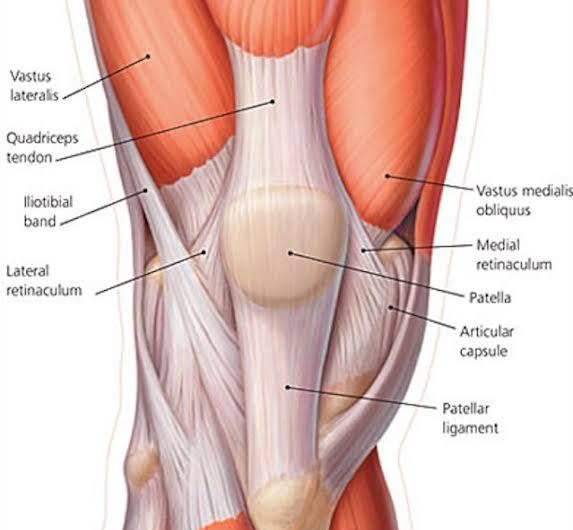
Knee pain when hiking downhill is a common issue for many outdoor enthusiasts. One potential culprit is inflammation of the distal quadriceps tendon. This inflammation can cause discomfort and can be exacerbated by the stress placed on your knees while descending steep trails, especially over prolonged periods of time. Understanding the anatomy involved is crucial for addressing this problem and restoring your comfort while hiking.
Training Principles to Alleviate Pain
Injury Management Outline:
2-3 days of rest
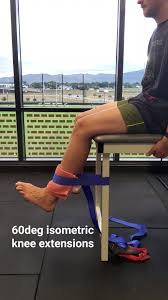
Isometric distal quadricep loading
Closed Kinetic Chain (CKC) progressive loading
Open Kinetic Chain (OKC) progressive loading
Progressively squatting and deadlifting more weight for tendon health
Stability training for hip, knee, and ankle
Plyometric training for hip, knee, and ankle
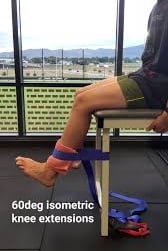
To help mitigate knee pain, isometric training can be a beneficial strategy. This form of training involves contracting your quadriceps without movement of your knee, effectively strengthening the muscle and tendon while improving pain management of the area. Try looping a cloth belt around something sturdy, then putting your foot in the loop. Then, slowly try to straighten out your leg against the resistance of the belt. You won't be able to fully straighten it, but will feel the lower part of your quad burning. You can also try sitting against a wall with your knees bent at a 90-degree angle, holding the position for 15-30 seconds. This is a progression, and if you have knee pain with wall sits, regress back to the belt isometric exercise. Gradually adding more time or sets can enhance strength without aggravating your knee.
Following isometric exercises, it’s important to integrate concentric quad loading. This involves shortening the quadriceps muscle as you move your knee (extending the knee). This type of loading strengthens the muscle belly of the quadricep, as well as loads the tendon appropriately. Try slowly sliding down the wall, ending in the wall sit for 5 seconds, then sliding back up the wall.
Implementing Eccentric Loading and Graded Response
Next up is eccentric loading. It’s vital because it focuses on the lengthening of the muscle under tension, which can greatly improve stability in the knee joint while hiking downhill. Incorporate exercises like walking lunges or controlled mini single leg squats.
Finally, the principle of a graded response should guide your hiking routine. This means adjusting your activities based on your knee’s response to exercise. Start with shorter, less steep hikes and gradually increase your distance and incline as your strength and comfort improve. Listening to your body is key; if pain arises, scale back and address any discomfort through rest, ice, and the outline listed above.
Knee pain doesn’t have to stop you from enjoying your favorite hiking trails, or attempting new ones. By understanding the underlying anatomy and incorporating these principles of training, you can significantly reduce the risk of discomfort while hiking downhill. Stay proactive, embrace the training, and enjoy the trails!


Connect with Me
If you are interested in learning more about how to begin your fitness and wellness journey, how to create your own workouts, and how to finally feel comfortable and confident to return to hiking, backpacking, or climbing, connect with me for personalized 1:1 wellness coaching! Together, we will tailor a program designed specifically for you and your goals. You will get weekly accountability with video calls to discuss your wins and challenges, and will get individualized exercise plans to support your progress. Connect with me today!
— Coach Jim
Founder, Inner Summit Wellness
Helping hikers, backpackers, and climbers build resilient bodies for the outdoors.