Top 5 Hiking Injuries You Should Know About
3/11/20262 min read
Introduction to Common Hiking Injuries
Hiking is an exhilarating way to connect with nature, but it comes with its own set of risks. While the benefits of spending time outdoors far outweigh the negatives, being prepared for potential injuries can save you a lot of trouble down the trail. In this blog post, we'll explore the five most common types of hiking injuries, and why it's crucial to consult a specialist who understands outdoor athletes at all levels.
1. Sprains and Strains
Sprains and strains are among the most common injuries hikers face. A sprain occurs when ligaments are stretched or torn, often due to uneven terrain or slipping on a rock. Strains, on the other hand, involve muscles or tendons. Both can be serious setbacks on your hiking adventures. For immediate relief and recovery, consulting with an experienced professional can help you get back on your feet faster.
2. Knee Injuries
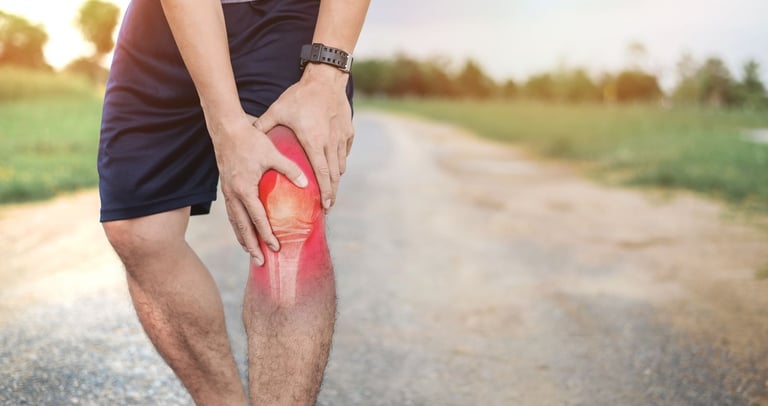
Knee injuries, especially patellar tendinitis or “jumper’s knee,” plague many hikers. The repetitive stress from continuous uphill or downhill movement can lead to pain and discomfort. Rest and proper treatment can alleviate symptoms, but a specialist can provide tailored exercises to strengthen the knee and prevent re-injury.
3. Blisters
Blisters may seem minor compared to other injuries, but they can significantly hinder your hiking experience. Caused by friction between your skin and footwear, blisters are common during long hikes. To avoid them, choose the right shoes and break them in beforehand. If you do get a blister, a healthcare professional can guide you on effective treatment to prevent infection and promote healing.
4. Fractures
Fractures, especially in the ankle or wrist, can occur if you fall or roll an ankle on the trail. This injury can sideline you for weeks or even months. Immediate consultation with a health expert is vital for proper diagnosis and treatment, including physical therapy that might be necessary after recovery.
5. Heat-Related Illnesses
Long hikes on hot days can lead to dehydration or heat exhaustion. Symptoms can range from lightheadedness to severe headaches. Preventative measures include staying hydrated and taking breaks in shaded areas. If you or a fellow hiker experiences any signs of heat-related illnesses, seeking advice from a specialist can be a lifesaver.
Conclusion: The Importance of Consulting a Specialist
Hiking should be about enjoyment and adventure, not injuries or pain. Understanding the most common hiking injuries can help you prevent them. If you do experience any of these issues, consulting with a wellness coach who specializes in treating outdoor athletes can ensure you receive the best possible care. With the right support, you can get back to exploring the great outdoors with confidence!
Connect with Me
If you are interested in learning more about how to begin your fitness and wellness journey, how to create your own workouts, and how to finally feel comfortable and confident to return to hiking, backpacking, or climbing, connect with me for personalized 1:1 wellness coaching! Together, we will tailor a program designed specifically for you and your goals. You will get weekly accountability with video calls to discuss your wins and challenges, and will get individualized exercise plans to support your progress. Connect with me today!
— Coach Jim
Founder, Inner Summit Wellness
Helping hikers, backpackers, and climbers build resilient bodies for the outdoors.